


TRIGGERICONGuide
10 restaurant social media marketing strategies to increase sales in 2027
 By TRIGGERICON team
Published 10 min read
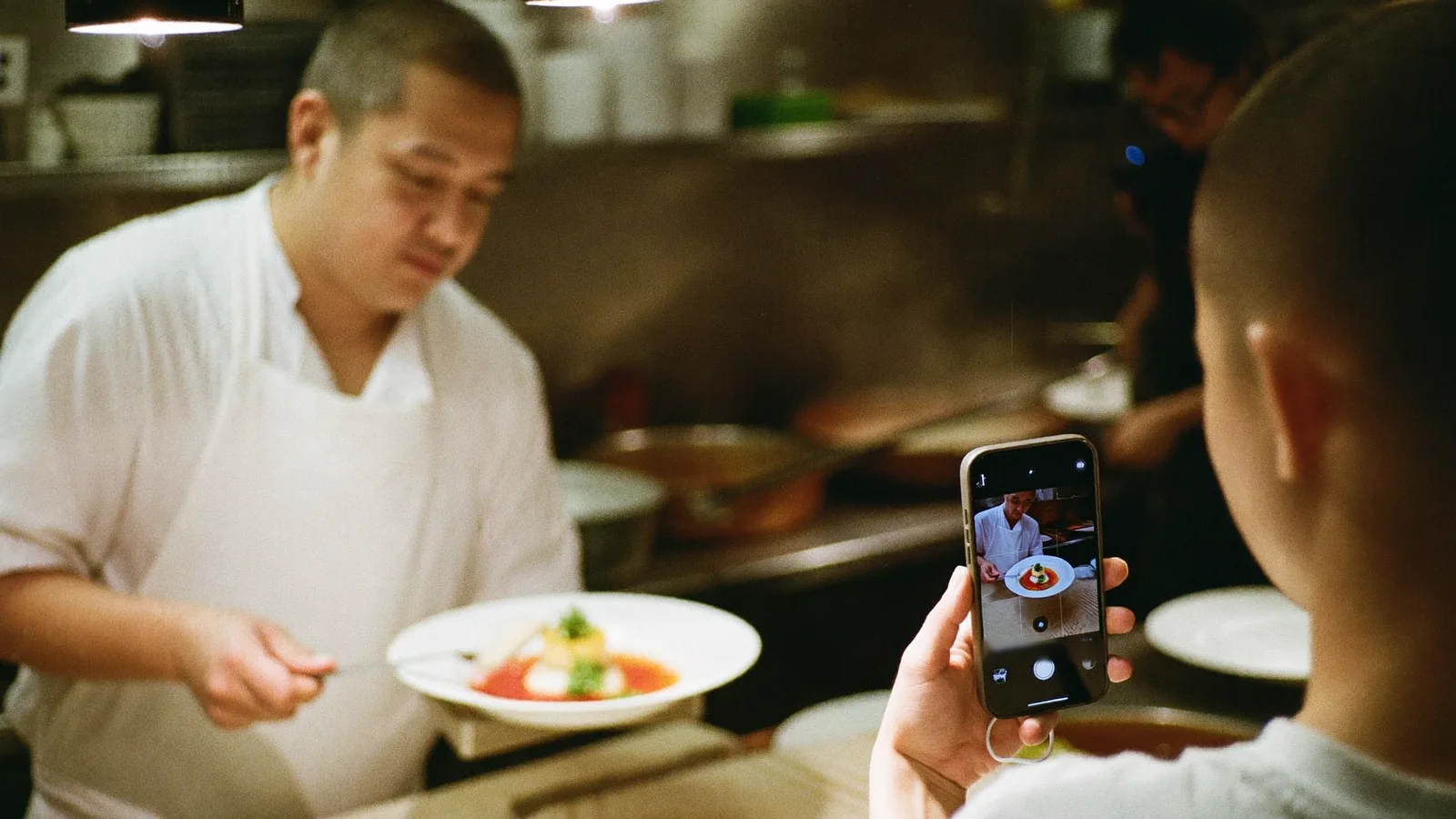
Key takeaways
- Social media marketing for restaurants works when it shows the food, the people and a clear reason to visit now.
- Short vertical video, real behind-the-scenes moments and guests’ own posts usually beat polished stock-style content.
- Social media ads for restaurants reach people who live, work or pass nearby; organic posts alone rarely reach enough of them.
- Give followers a reason to come in this week, then use SMS and email, with consent, to bring them back.
- Measure bookings, orders, redemptions and covers, not just likes and followers.
Most diners discover, check or choose a restaurant on their phone. That is why social media marketing for restaurants has become one of the most direct ways to fill tables: people see the food, the room and the people, and decide whether to come in. The trick is turning that attention into bookings and orders.
These ten strategies cover what to post, how to use Reels and ads, which restaurant promotion ideas work, and how to turn followers into regulars. If you have been wondering how to increase restaurant sales without simply cutting prices, this is where to start.
Why social media marketing for restaurants works
Food is visual, local and often a spur-of-the-moment decision. Social media lets you show exactly what people will get, reach them where they spend time, and give them a reason to visit tonight rather than someday. Good restaurant marketing strategies combine three things:
- Content that makes people hungry and shows who you are.
- Reach from ads and shares, so the right local people actually see it.
- A next step: book, order, visit, or join your list so you can invite them back.
Choose the right platforms for your restaurant
You do not need to be everywhere. Pick the platforms your guests actually use and do them well:
| Platform | Best for | What to post |
|---|---|---|
| Discovery, food photos and Reels, local ads | Reels, dish photos, stories, guest reshares | |
| Events, local community, groups, ads to a wide local age range | Events, offers, menus, photos, ads | |
| TikTok | Reaching younger diners with short, fun video | Behind-the-scenes clips, trends that suit your style |
| Google Business Profile | People deciding where to eat right now | Photos, posts, offers, menu, review replies |
For most restaurants, Instagram and Facebook carry the paid and organic work, Google Business Profile catches people at the moment of choice, and TikTok is worth adding if you have someone on the team who enjoys making video.
1. Lead with short video: restaurant Instagram Reels ideas
If you are working out how to promote a restaurant on Instagram, start here. Short vertical video is where most restaurant content gets seen. You do not need a film crew; a phone, good light and a steady hand are enough. Restaurant Instagram Reels ideas that work for most kitchens:
- A dish from raw ingredients to the plate in 15 seconds
- The first pour, the cheese pull, the sizzle, the flame
- “What we’re eating today” from the team
- A new menu item reveal, counted down over a week
- Setting up the room before service, or the rush at 7 p.m.
- A guest’s first bite, filmed only with their permission
Keep them short, start with the most appetising moment, add captions for people watching without sound, and finish with where to book or order.
2. Plan a month of social media content ideas for restaurants
The restaurants that do well on social media post consistently. A simple weekly mix removes the guesswork:
| Day | Post type | Example |
|---|---|---|
| Monday | Dish spotlight | Your best seller, close up, with its story |
| Tuesday | Behind the scenes | Prep, deliveries, the chef’s notes |
| Wednesday | Team | A server’s favourite dish or a cook’s story |
| Thursday | Weekend push | Reservations, specials, events |
| Friday | Reel | The busiest, most appetising moment of the week |
| Weekend | Stories | Live moments, polls, guests’ posts |
These restaurant social media marketing ideas give you a repeatable rhythm. Batch-film on a quiet afternoon and schedule the week ahead.
3. Show the people and the kitchen behind the food
People choose restaurants partly for the food and partly for the feeling. Introduce your chef, your servers, your suppliers and your regulars. Share where your ingredients come from, a family recipe, or how a dish was created. This is the part of Instagram marketing for restaurants that chains find hardest to copy.
A few easy formats: a “meet the team” series with one person a week, a market or supplier visit, the story behind your most popular dish, a staff meal, or the owner answering the questions guests ask most. Ask your team before you film them, and let the people who enjoy it take the lead.
4. Turn guests’ posts and reviews into content
Your guests already post your food. Ask them to tag you, reshare the best posts with their permission, and turn great Google reviews into simple graphics or captions. Seeing real guests enjoy a meal is more convincing than anything you say about yourself.
Make it easy to share: good lighting at the tables, a dish that looks as good as it tastes, and a small card or sign with your handle. Always ask before you repost, credit the guest, and never invent or edit a review to make it sound better.
Reviews matter on Google too: our guide to Google Maps marketing for restaurants explains how to earn more Google reviews within Google’s rules.
5. Work with local creators, the right way
Local food creators can put your restaurant in front of people who live nearby and trust their recommendations. Choose creators whose followers are actually local, invite them for a specific dish or event, and agree what they will post.
6. Use social media ads for restaurants to reach nearby diners
Organic posts mostly reach people who already follow you. Social media ads for restaurants reach new people within a short distance of your door, at the times they decide where to eat.
- Target by location: a radius around the restaurant, or the areas where your guests live and work.
- Show the food: your best Reel or photo usually makes the best ad.
- Give one clear action: book a table, order online, claim an offer or get directions.
- Time it: lunch ads in the late morning, dinner ads in the afternoon, weekend ads from Thursday.
- Remind people who showed interest: people who watched your Reels, visited your website or opened your menu are often the most likely to book. Retargeting them with a simple reminder or this week’s special usually costs less than reaching strangers.
- Start small and test: run two versions of an ad, such as a dish close-up against a busy-room clip, and keep the one that brings more bookings or orders.
Facebook advertising for restaurants and Instagram ads run from the same Meta ad account, so one campaign can cover both. If your ads are running but bookings are not, our article on why Facebook and Instagram ads may not bring in leads covers the usual causes, and our guide to AI in advertising explains how the platforms’ automated audiences work. Searchers are a different audience: our Google Ads management team covers people already searching for a place to eat.
7. Restaurant promotion ideas that give people a reason to come now
Attention turns into visits when there is a reason to act. Restaurant promotion ideas and restaurant advertising ideas that suit social media:
- A limited-time dish or seasonal menu, announced with a countdown
- A quiet-night offer, such as a set menu early in the week
- Events: tasting nights, live music, chef’s tables, sports nights
- Holiday and special-day menus, promoted well ahead
- A “show this post” offer, so you can count how many people came from social media
- A new patio, opening hours or delivery area
Keep offers simple, honest and time-limited, and state any conditions clearly.
8. Answer messages and comments fast
People message restaurants to ask about tables, allergies, parking and group bookings, often minutes before deciding. Slow replies send them elsewhere. Reply to comments and direct messages quickly during service hours, and keep your hours, menu, location and booking link up to date on every profile.
Write short saved replies for the questions you get every day: tonight’s availability, dietary options, private dining, gift cards and parking. Answer complaints in public calmly and move the details to a private message. For allergy questions, give clear facts or ask guests to call, never a guess. A friendly, fast reply often turns a question into a booking, and comments with replies show other people that the restaurant is listening.
When you cannot keep up, Nexora, our AI voice and chat agent platform, can answer calls and messages day and night and take bookings.
9. Turn followers into repeat guests
Social media brings people in; your own list brings them back. Invite guests to join your text or email list for offers, events and new menus, and send only what they agreed to receive. Canada’s anti-spam legislation requires consent before you send commercial texts and emails.
SalesSpark handles SMS and email campaigns with consent today, and loyalty programmes and wallet passes are coming soon. For more ways to bring lapsed guests back, see our win-back campaign checklist.
10. Measure sales, not likes
Likes and followers are nice; tables and orders pay the bills. For restaurant digital marketing that you can actually judge:
- Give every campaign a trackable action. A booking link with tracking, an offer code or a dish only promoted on social media.
- Count what happened. Bookings, online orders, offer redemptions and covers on promoted nights.
- Ask at the table. “How did you hear about us?” still works.
- Compare like with like. This Tuesday against last Tuesday, this month against the same month last year.
- Keep what works, drop what does not. Move budget towards the posts and ads that brought people in.
A simple 30-day plan to get started
- Week 1Update every profile: hours, menu, location, booking and ordering links; film ten short clips
- Week 2Post three times and share stories daily; start replying to every comment and message
- Week 3Launch one local ad with your best Reel and one clear offer
- Week 4Invite guests to your SMS or email list; review bookings, orders and redemptions
Then repeat what worked, change one thing at a time, and keep the plan realistic for your team. A plan your staff can keep up in a busy week is worth more than an ambitious one that stops after a fortnight.
Final thoughts
How to attract customers to a restaurant has not really changed: show people great food, make them feel welcome and give them a reason to come back. Social media simply lets you do it every day, to the people who live and work nearby. Start with consistent Reels and real stories, add local ads and simple offers, answer every message, and build a list you own.
If you would like help, our social media marketing team plans content and runs paid social, and you can see all our restaurant marketing services in one place. Qualifying businesses can also get up to 3 months of free growth consulting.
Sources
- Food services and drinking places, July 2026, Statistics Canada, September 2026
- Influencer marketing and the Competition Act, Competition Bureau Canada
- Guidance for businesses doing e-marketing, Office of the Privacy Commissioner of Canada
Questions and answers
How do I promote my restaurant on Instagram?
Post short Reels of your food being made and served, show your team and your room, share guests’ posts with permission, keep your profile’s hours, location and booking or ordering link up to date, and reply to comments and messages quickly. Then use Instagram ads to reach people nearby.
What should a restaurant post on social media?
Dishes being made, new and seasonal menu items, your team, your room at its best, events, offers, guests’ posts and answers to common questions. Plan a simple weekly mix so you are never stuck for content.
How often should a restaurant post on social media?
Consistency matters more than volume. A realistic plan, such as a few posts and Reels a week plus stories on busy days, is better than a burst of daily posts that stops after a month.
Do Facebook and Instagram ads work for restaurants?
They can, when they target people nearby, show the food clearly, give a reason to visit now and track what happens next. Results depend on your offer, location and budget, so start small, measure bookings and orders, and adjust.
Should my restaurant work with local influencers?
Local creators can bring you in front of people who trust them. Choose creators whose followers live near you, agree what they will post, and make sure any free meal or payment is clearly disclosed in the post, as Canada’s Competition Bureau expects.
How do I know if social media is increasing my restaurant's sales?
Give each campaign something you can count: a booking link with tracking, an offer code, a dish only promoted on social media, or a question at the till. Compare bookings, orders and covers before and after, not just likes.
TopicsSocial mediaPerformance marketingCustomer loyalty and SMS
IndustriesRestaurants and food
Want expert eyes on your growth plan?.
Qualifying businesses get up to 3 months of free growth consulting with our team. Not sure if you qualify? This button opens a short eligibility check on a separate page.
Keep reading
 TRIGGERICONGuide
AI in advertising: how to use AI in social media and paid campaigns (and where people still matter)
AI in advertising for small businesses: how AI helps social media and paid ads find customers, what to automate, what to keep human, and how to measure it.11 min read TRIGGERICONHow-to
Why your business isn't getting leads from Facebook and Instagram ads (and how to fix it)
Spending on Facebook Ads for small business but getting no leads? Find the 8 most common reasons Facebook and Instagram advertising fails, and how to fix each one.6 min read TRIGGERICONChecklist